From raw aggregate to finished pavement — a complete visual guide to modern asphalt plant operations, material science, and quality production.
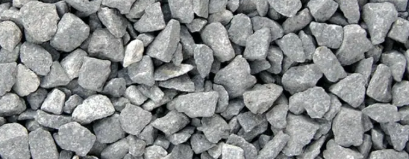
Provide structure and strength. Stored separately in cold bins by fraction size before entering the feed system.
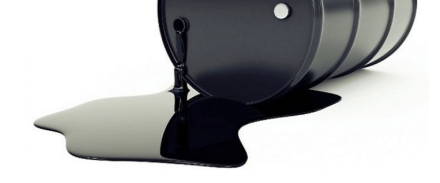
Acts as the glue binding aggregates together. Grade selected based on traffic load and local climate conditions.
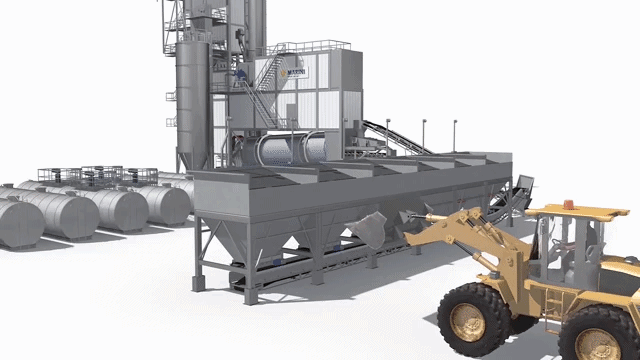
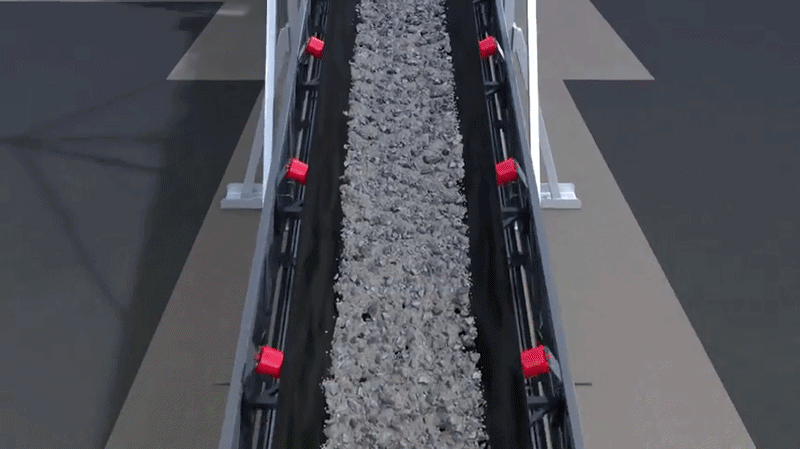
Aggregates are loaded into cold bins, segregated by size. Controlled feeders regulate the flow rate of each fraction. A conveyor belt combines all sizes and transports them to the dryer drum.
Aggregates enter a rotating dryer drum heated by a diesel or gas burner. All moisture is removed and aggregates are raised to 150–170°C — the ideal temperature for thorough bitumen coating.
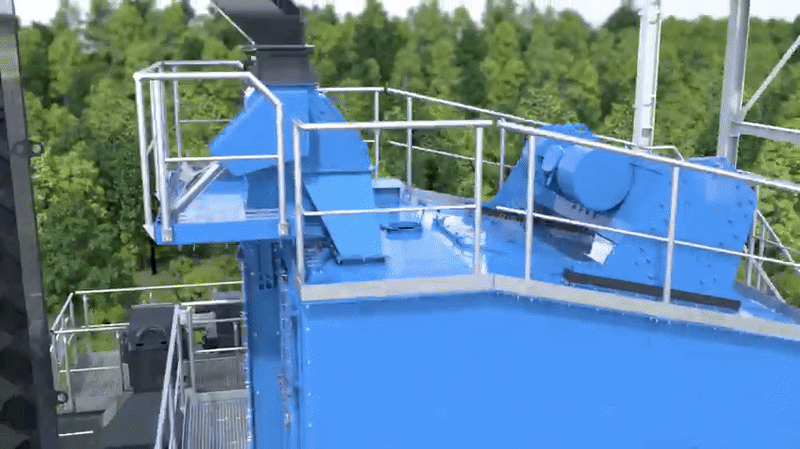
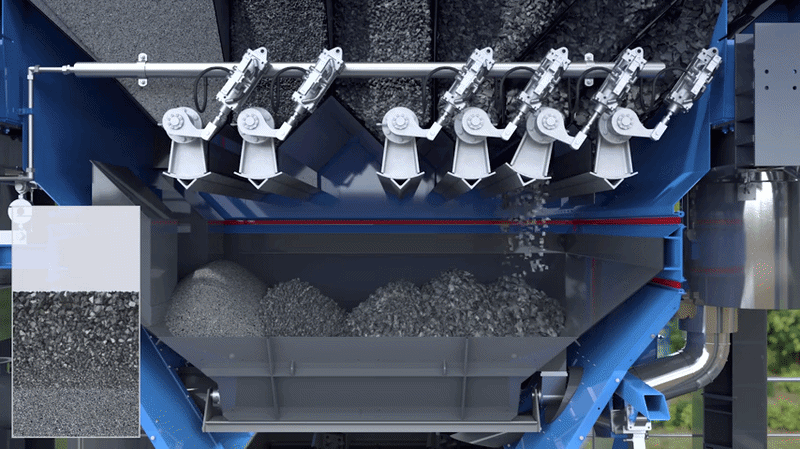
Hot aggregates are lifted by an elevator to the top of the plant. They pass through vibrating screens which re-separate the material into precise size fractions, stored in individual hot bins.
Aggregates from each hot bin are weighed precisely per the mix design specification. Heated bitumen is weighed separately. Mineral filler or dust may also be added at this stage.
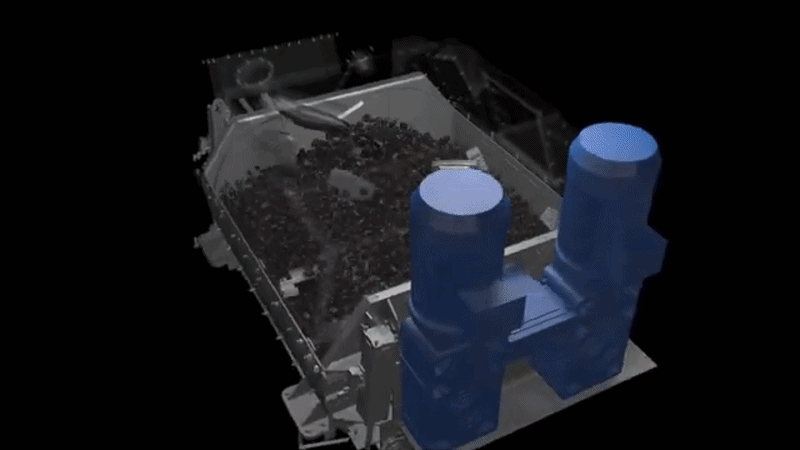
Weighed aggregates, bitumen, and filler are combined in a high-shear pugmill mixer. The cycle lasts 30–60 seconds, ensuring every particle is uniformly and thoroughly coated with bitumen.
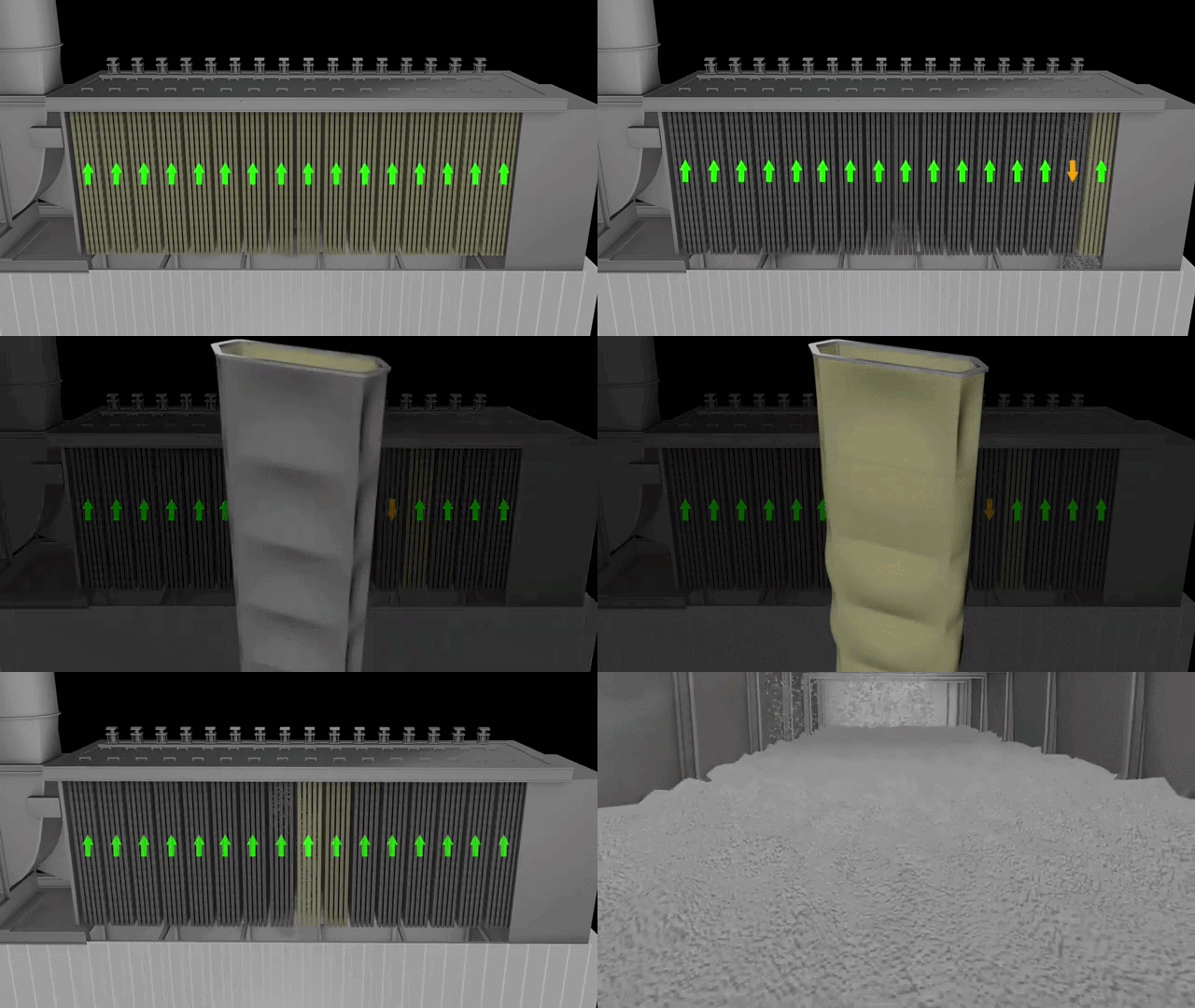
A Baghouse Filter is a dust collection system that controls air pollution from the dryer drum. It captures fine particulate matter before it can enter the atmosphere.
Reduces particulate emissions and keeps the plant compliant with air quality regulations.
Prevents dust from fouling equipment, improving reliability and uptime across operations.
Recovered filler is recycled back into the mix — reducing waste and lowering input costs.
Critical throughout the entire process. Aggregates must be maintained at 150–170°C for proper bitumen adhesion and coating.
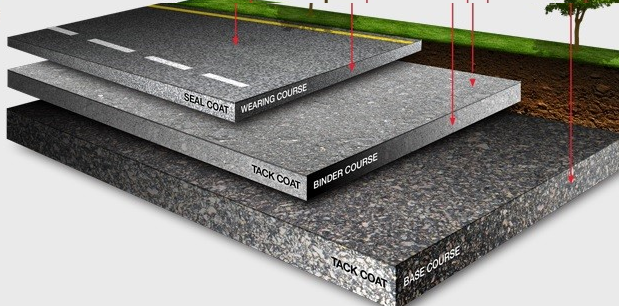
Determines proportions for each course type. Ensures the right balance of aggregate sizes and bitumen content for each layer.
Ongoing testing and monitoring at every stage ensures durability, performance, and compliance with specifications.